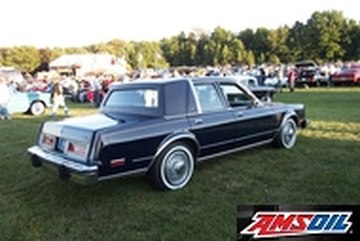
Lubrication Maintenance for the 1981 Chrysler LEBARON 5.2L
Maintaining a vehicle from the early 1980s requires a shift in perspective toward consistent monitoring and proactive inspection. For the 1981 Chrysler LEBARON equipped with the 5.2L engine, regular lubrication service is a fundamental component of long-term mechanical health. Because older engines may exhibit different sealing characteristics or material behaviors compared to modern vehicles, staying attentive to fluid condition and potential leaks is essential for any owner.
Monitoring Fluid Integrity and Potential Leaks
One of the most effective ways to monitor the health of the 5.2L engine is through regular visual inspections of the engine bay and undercarriage. Over time, various gaskets and seals may undergo changes in elasticity or integrity due to heat cycles and age. Rather than assuming a component is failing, it is more productive to look for evidence of seepage or active leaks.
When performing routine checks, look for the following:
- Surface Seepage: Check around various engine junctions for oily residue that may indicate a slow seep from a gasket or seal.
- Puddle Identification: Inspect the ground beneath the vehicle after it has been parked for an extended period to identify any fluid loss.
- Fluid Color and Texture: If you are checking the oil level, observe the appearance of the lubricant. While some discoloration is normal due to use, significant changes in texture or a strong odor may warrant further investigation.
If you notice signs of leakage, it does not always necessitate an immediate, expensive repair, but it should be documented and monitored. Identifying a small seep early can prevent more significant issues from developing later.
Observing Changes in Engine Operation
Beyond visual inspections, the way the vehicle behaves during operation can provide clues regarding its lubrication needs. It is important to remember that many different mechanical factors can cause similar symptoms; therefore, any change in behavior should be treated as a prompt for investigation rather than a definitive diagnosis.
An owner might notice changes such as unusual mechanical noises or variations in how the engine responds under load. Additionally, if you observe any unexpected smoke from the exhaust, this could be associated with various internal or external factors and should be investigated by a professional. Similarly, if an oil-related warning indicator appears on the dashboard, it requires immediate attention to ensure the engine is receiving adequate lubrication.
By staying attuned to these subtle changes, you can establish a baseline of "normal" operation for your specific vehicle, making it much easier to identify when something has deviated from that standard.
Prioritizing Maintenance Through Documentation
For an owner of a 1981 Chrysler LEBARON, the most valuable tool for long-term care is a detailed maintenance history. If you have recently acquired this vehicle and do not have access to previous service records, your first priority should be establishing a new maintenance baseline.
This process involves:
- Documenting Current Condition: Record the current state of all fluids, belts (if equipped), and hoses.
- Tracking Service Dates: Keep a log of every oil change, filter replacement, and inspection performed.
- Noting Observations: Write down any minor leaks or noises you encounter so you can track whether they are increasing in frequency or severity over time.
Having a clear record allows you to distinguish between routine preventive maintenance and repairs that are necessitated by actual wear. It also helps in making informed decisions about which components require attention first, such as addressing an active leak before moving on to more cosmetic or non-essential service tasks.
Managing Aging Engine Components
As vehicles age, the materials used in their construction—such as rubber hoses and various belts—can become less pliable. When performing routine service, it is wise to inspect any accessible drive belts (if equipped) for signs of deterioration like cracking, glazing, or fraying. Similarly, if the vehicle is equipped with cooling hoses, check them for softness, brittleness, or bulging.
This type of inspection should be condition-based rather than strictly time-based. A hose that appears healthy and flexible may not need replacement simply because of its age, whereas a hose showing visible signs of wear should be prioritized for service. This approach ensures that maintenance efforts are directed where they will provide the most benefit to the vehicle's continued operation.
Effective Lubrication Strategies
The 5.2L engine relies on consistent lubrication to manage friction and heat during operation. While modern lubricants offer various advanced formulations, the goal for this application is to match the lubricant to the specific requirements of the engine as outlined in your service documentation.
Some owners may consider high-mileage oil formulations, which often include seal-conditioning additives intended for use in aging engines. These can be a consideration if you are observing minor seepage, though they are not a substitute for repairing significant leaks. Regardless of the formulation chosen—whether conventional or synthetic-based—the most critical factor is ensuring the lubricant meets the necessary quality standards and application specifications for this specific 1981 model.
Practical Tips for BUYING ENGINE OIL for your 1981 Chrysler LEBARON 5.2L
When you are ready to purchase new lubricant, avoid making assumptions based solely on the age of the vehicle or general automotive trends. The most reliable way to ensure you are selecting the correct product is to refer directly to the application-specific information provided on this webpage.
To make an informed purchase, follow these steps:
- Match the Viscosity: Use the vehicle-specific oil viscosity listed in the application information on this page. Do not attempt to guess or use a different grade based on memory or similar vehicles.
- Verify API Certification: Check the product label to ensure the oil meets current service standards and is appropriate for your engine's needs.
- Consider Formulation Types: Depending on your vehicle's current condition and your maintenance goals, you may choose between conventional, synthetic blend, or full synthetic oils. If you are managing an older engine with high mileage, look for formulations that align with the specific needs of aging seals.
- Check Labels Carefully: Always confirm that the product in your hand matches the requirements specified in your vehicle's documentation before beginning any service.